
Titanic Museum Southampton: Tour & 9 Treasures of the Collection
If you’re in London, it’s a very quick train journey south to the Titanic Museum Southampton.
It’s well worth the journey to see the Titanic Southampton dock, and all of the incredible Titanic artifacts at the Seacity Museum.
Let’s go!

Titanic Southampton Dock: Where it Began
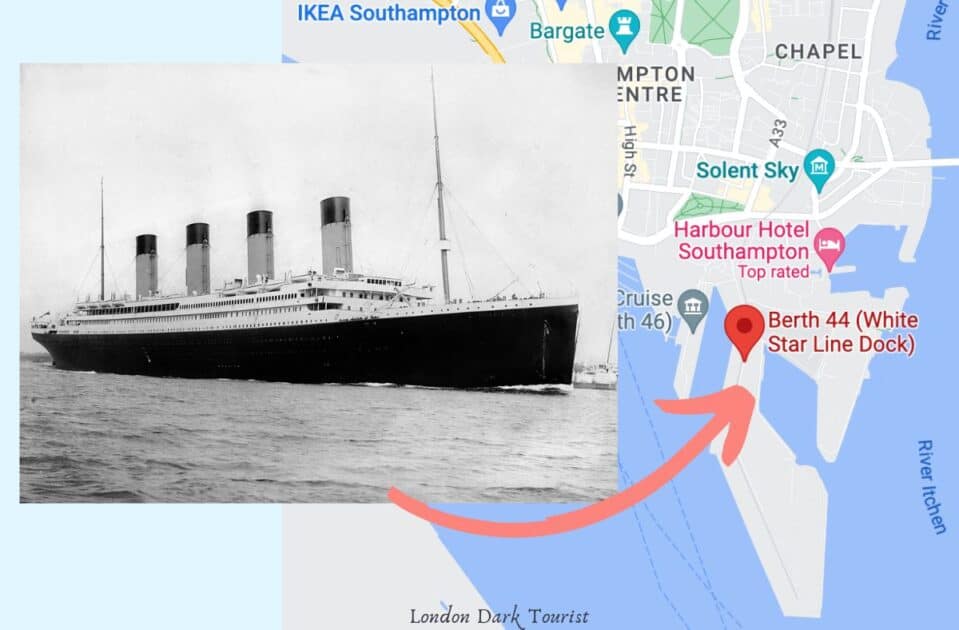
If you’re a history loving geek like me, you know that just south of London is where the infamous RMS Titanic left her dock.
Titanic left the docks at Southampton on April 10, 1912 at noon. Berth 44 – the White Start Line dock – is where she left port, and you can find it by searching on Google Maps.
Those docks are still there today, and although they look completely different as technology and shipping have been revolutionized, it’s touching to go and see exactly where Titanic set off.
Seacity Museum: Southampton Titanic Museum

Just a short distance from the docks is the Titanic Museum Southampton. You can walk from the Titanic Southampton Docks, though it’s mostly uphill so it’s a bit of a trek, and not the prettiest walk on mostly industrial roads.
This museum is actually called “Seacity Museum” though most people refer to it as the Titanic Museum Southampton.
Entry costs £10.50 for adults and £8 for children. Though it’s a bit pricey, the Titanic artifacts inside are completely worth the cost of entry in my opinion. It’s an incredible collection.
Southampton Titanic Museum: the Origin of Titanic’s Story
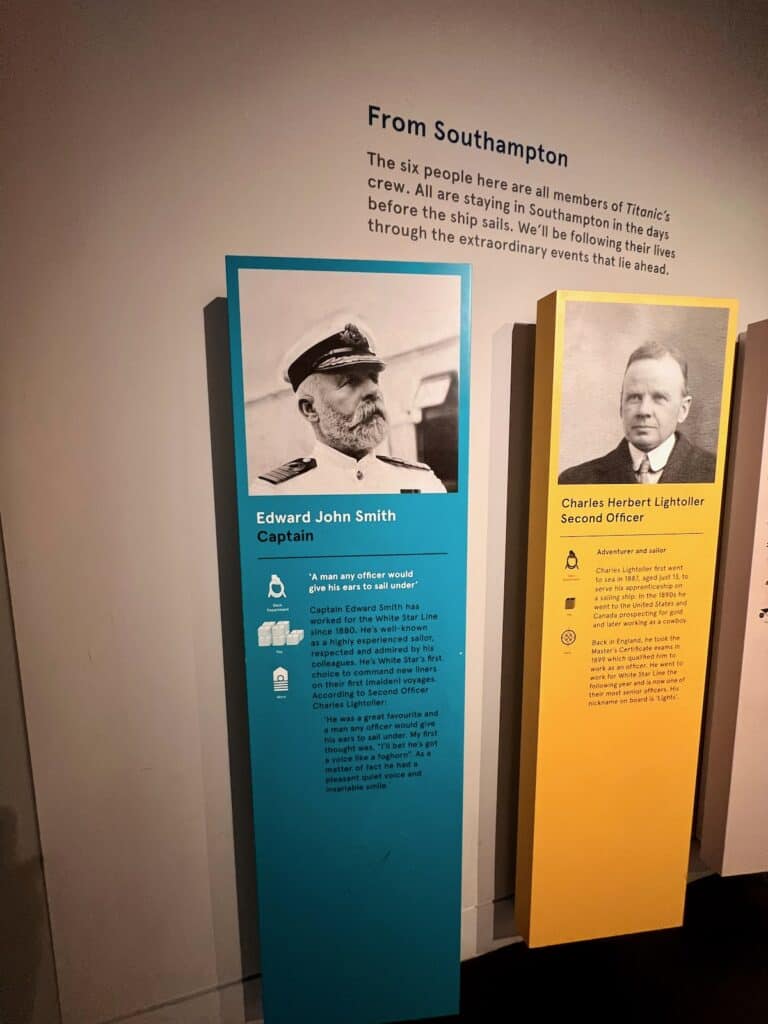
Not only did Titanic leave port from Southampton; many of her crew and some passengers were from Southampton.
The Seacity Museum really highlights all of their stories, and tracks many of the key crew members throughout their collection.
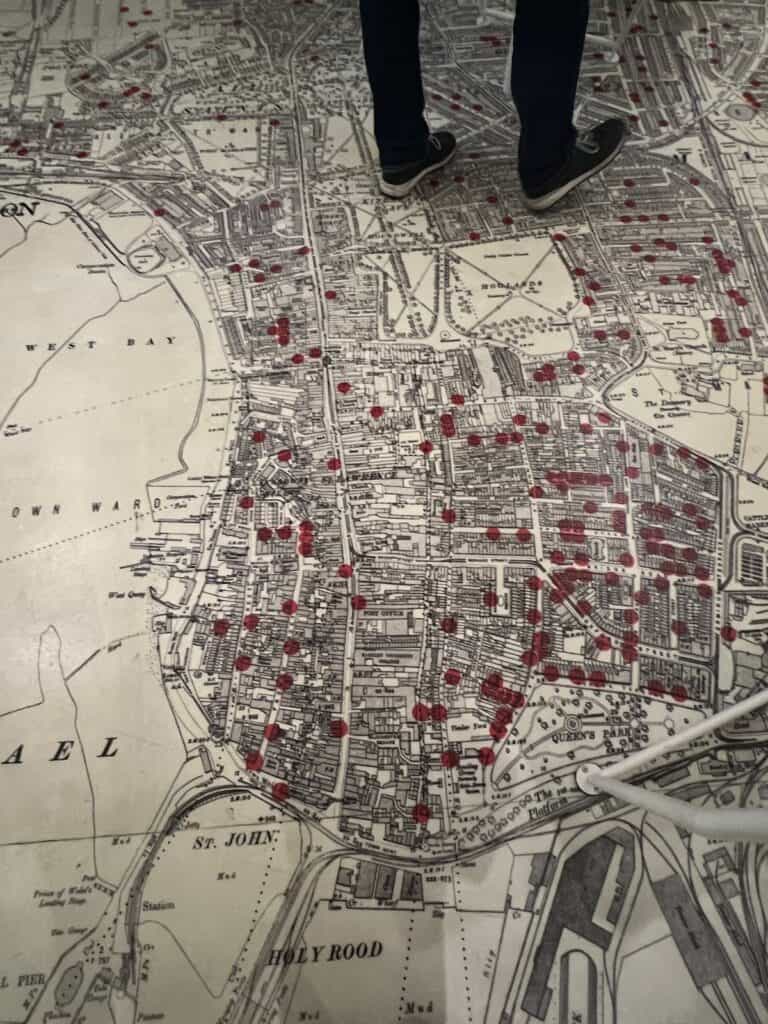
Toward the end of the collection, you’ll meet a giant floor map with victim’s addresses marked in red. There were so many who perished on Titanic who lived in Southampton; it was a tragic loss for the community.
Titanic Artifacts: Highlights of the Seacity Museum Collection
The Seacity Museum contains such a huge collection of Titanic artifacts that I can’t cover them all in this post, but I will show you which I thought were the most touching and memorable.
There are not any artifacts here that were recovered from the wreckage (that I found), but many that were donated by families of victims and survivors.
1. Captain Smith’s Sword
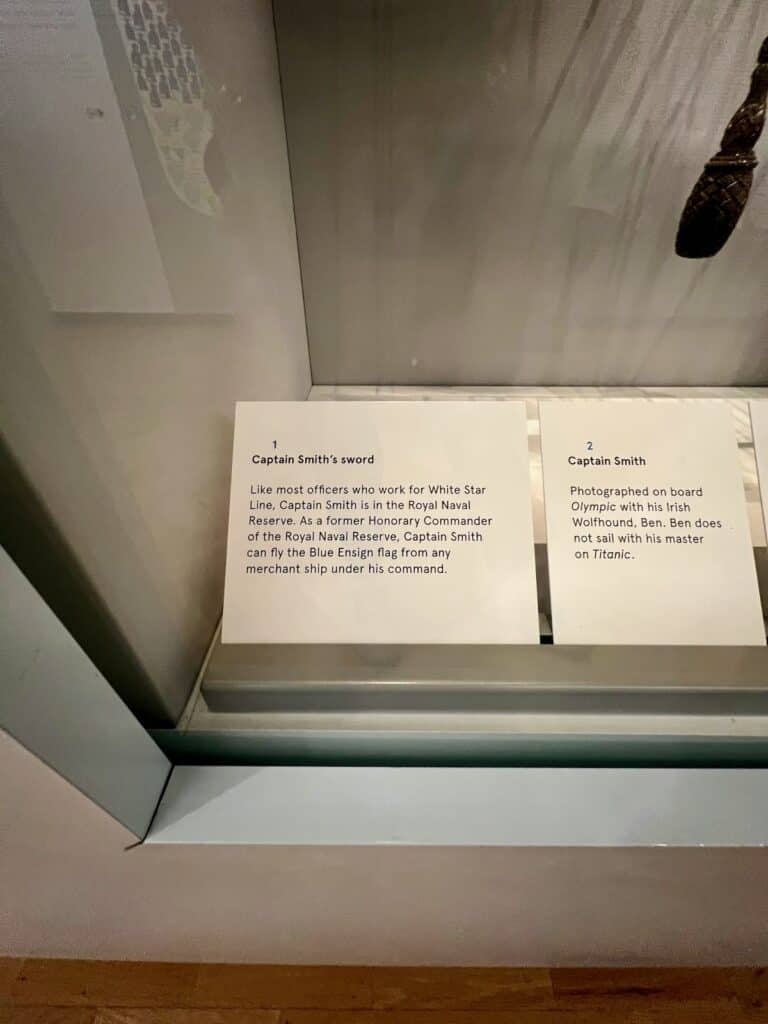
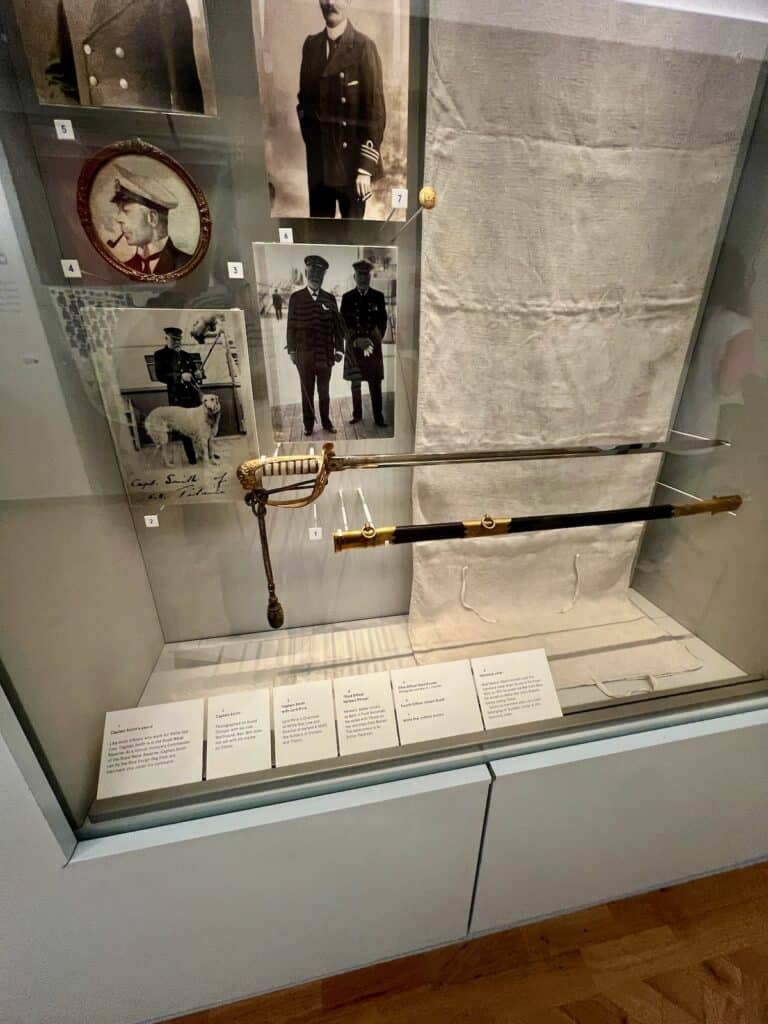
Captain Smith’s sword is a highlight of the collection. It was donated by his family, but there was no detail as to if it was on the ship with him (I’m guessing not, since it was a ceremonial Royal Naval Reserve Sword and would not have been a part of his Titanic Captain’s uniform).
His Royal Naval sword is prominently displayed, along with photographs of other Titanic officers who went down with the ship.
2. First Class Steward Letter Home
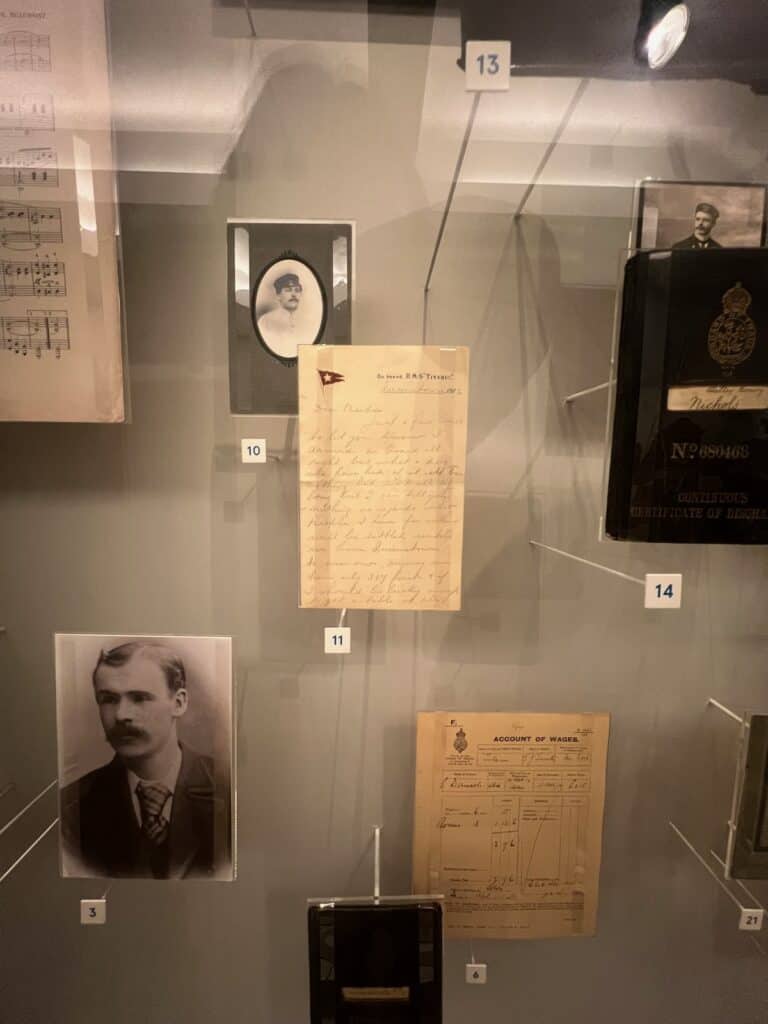
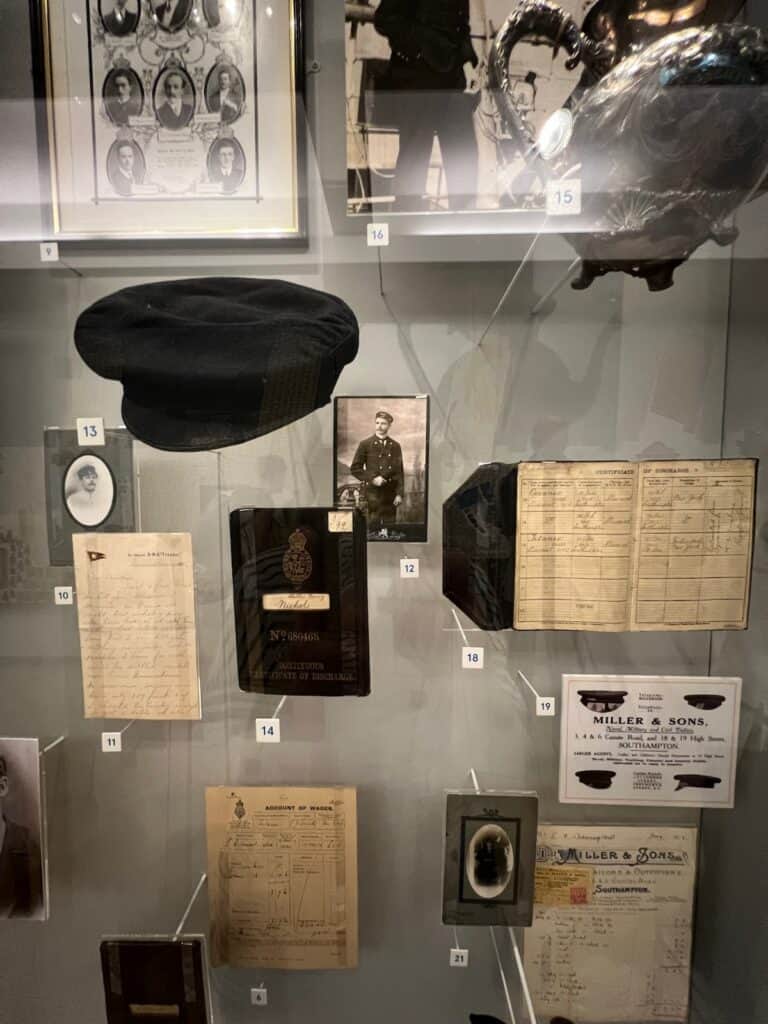
First Class Steward Jack Stagg wrote a letter home to his wife Beatrice. He describes the crew’s hard work and wonders what the passengers will be like. It’s a touching letter, as it’s the last Beatrice would ever hear from Jack.
There are other documents and items in the collection from stewards aboard the ship, who would never return home to Southampton again.
3. Second Class Menus and Tickets
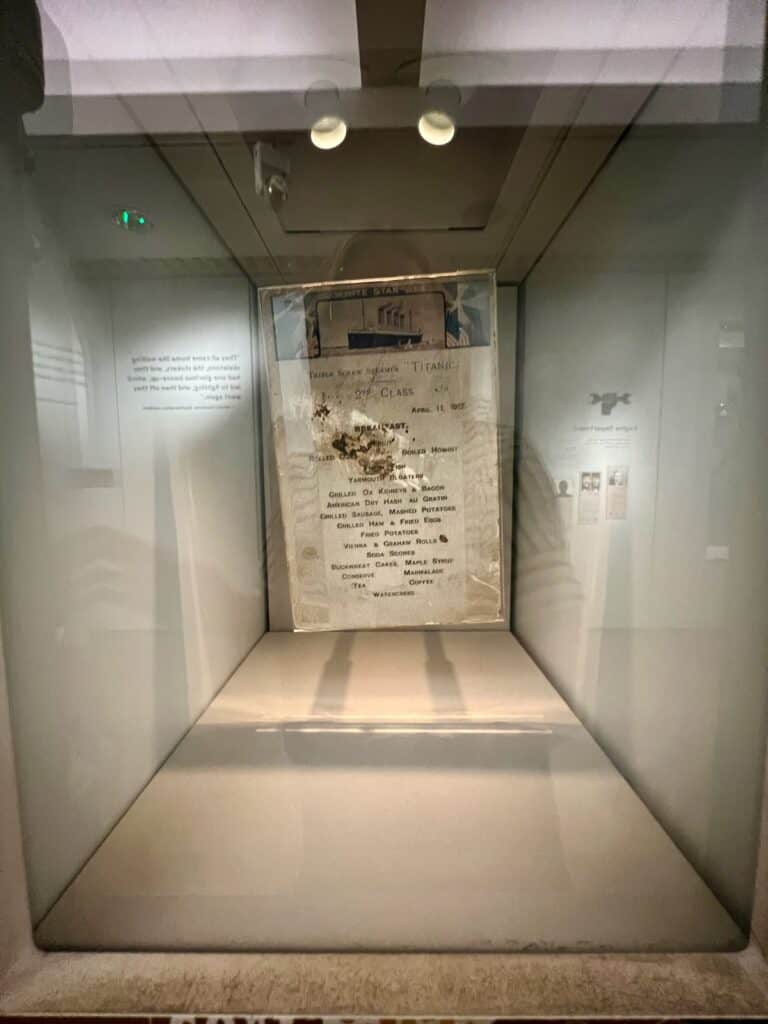
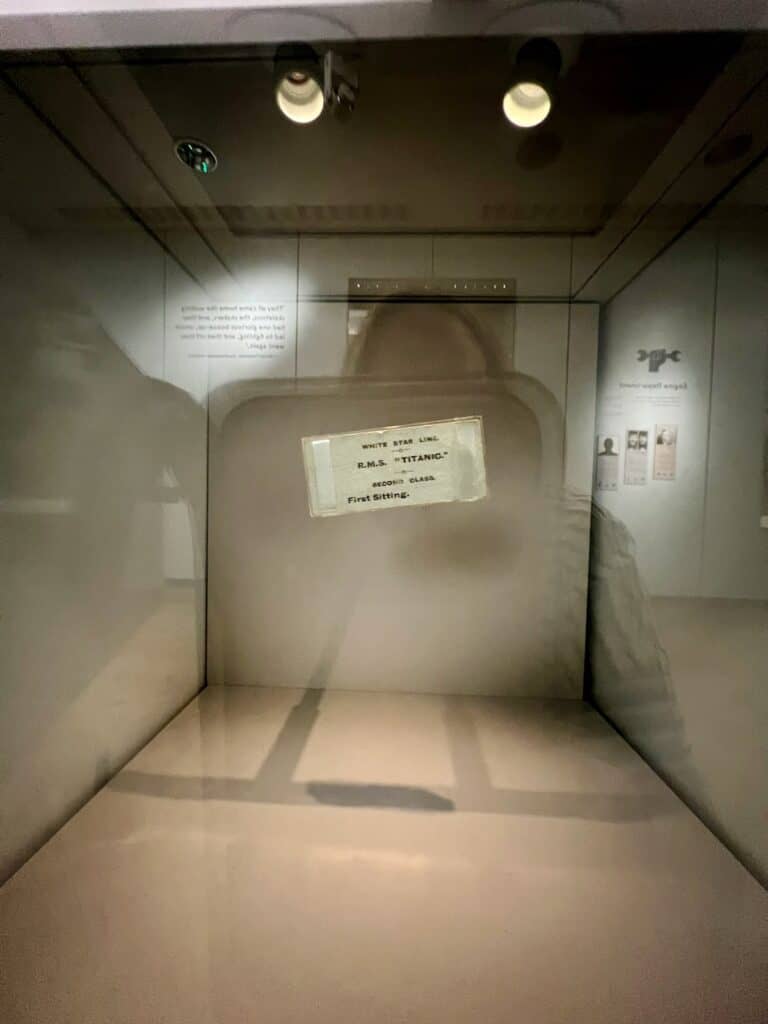
I’ve seen a few of the First Class menus from Titanic in various collections. But this was the first I’d seen of Second Class menus, along with a ticket for the “first sitting” of second class dinner.
The menu is from breakfast on April 11, 1912, and includes items like grilled ox kidneys, bacon, buckwheat cakes, and mashed potatoes.
This would have been the last breakfast many second class passengers would ever eat.
4. Silver and Tile
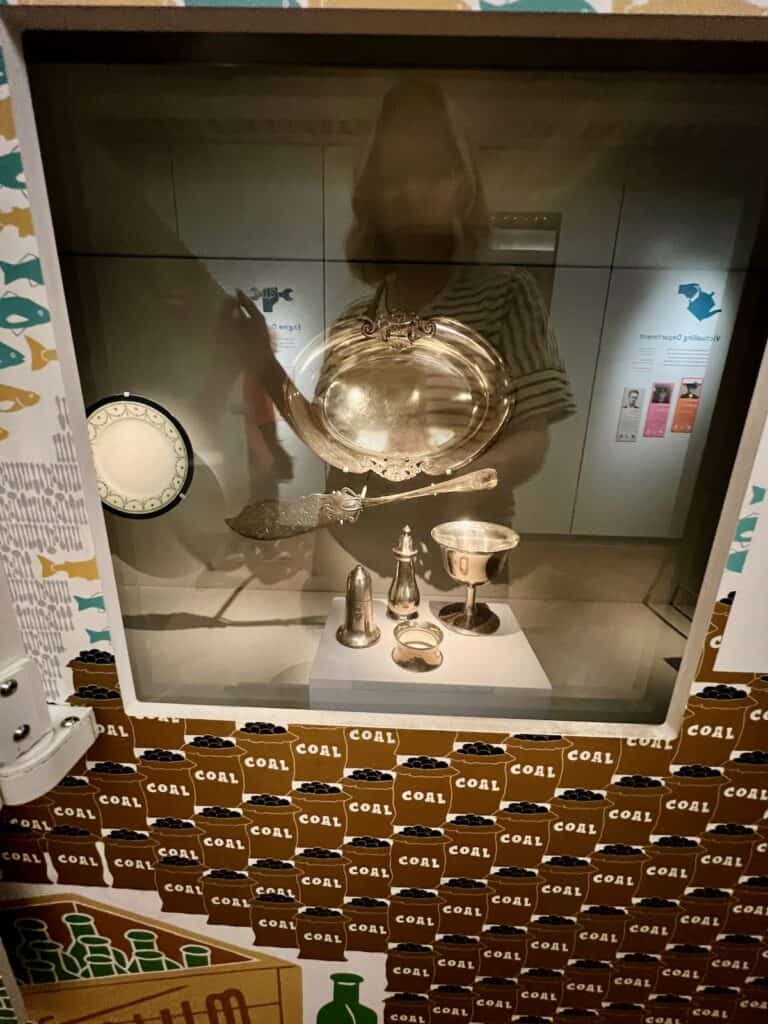
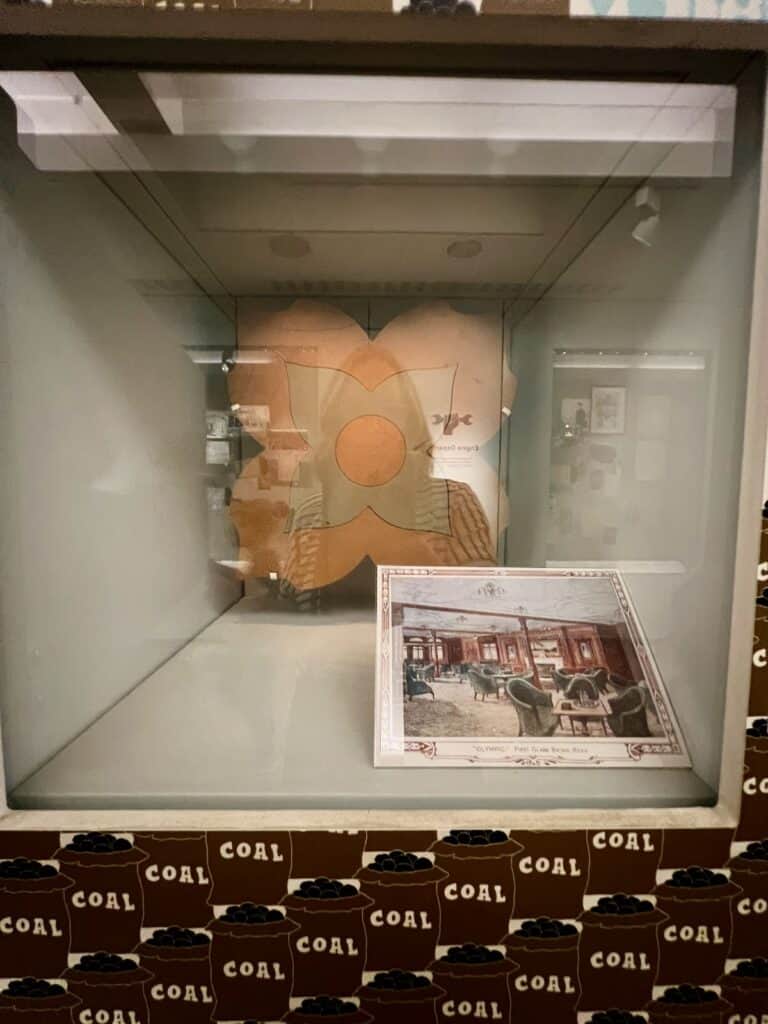
Silver from White Star Line sister ships is on display, as well as a tile that would have been the same as in Titanic’s smoking lounge.
5. Recreation of the Ship’s Interior
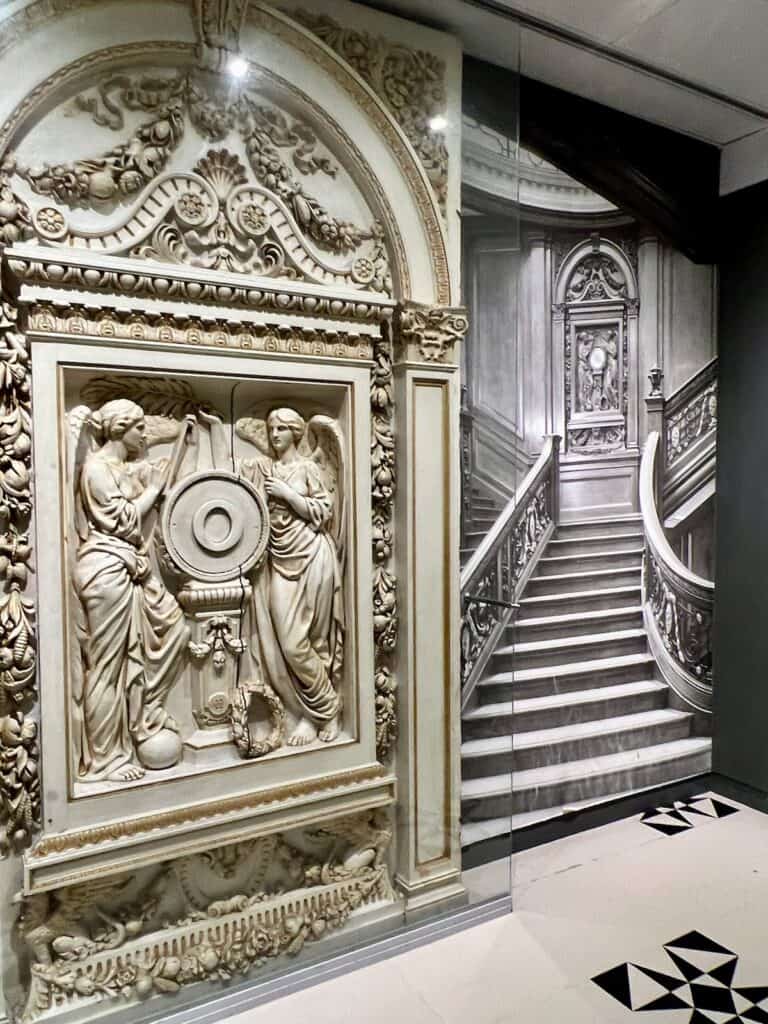

My favorite pieces in the collection that really brought the experience to life were the grand staircase and the second class berth.
The marble carving next to the staircase print is a replica of the actual one that went down with the ship, but it gives you a taste of how opulent the interior must have felt.
The second class cabin was incredible, and honestly bigger than a cruise ship room today. It felt luxurious, even in second class.
6. Pocket Watches
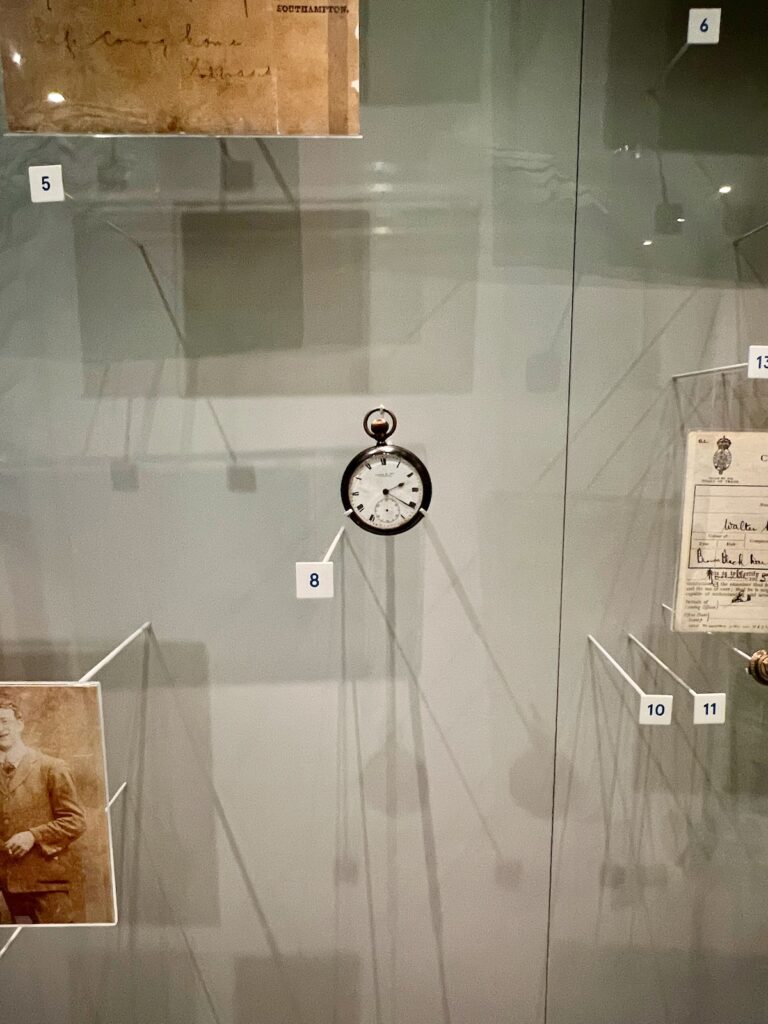

The most touching artifacts in the collection are the pocket watches.
The watch on the left is from Storekeeper Frank Prentice’s pocket. He fell into the water near the propellers, and was eventually rescued. He survived. The watch is stopped at the time he fell into the ocean: about 2:20am.
The owner of the watch on the right was not so fortunate. Steward Sidney Sedunary’s pocket watch stopped at 10 minutes to 2, about ½ hour before Titanic sank. His body was recovered a few days later by the crew of the Mackey Bennet.
They recovered his belongings and then re-buried him at sea.
7. Telegrams
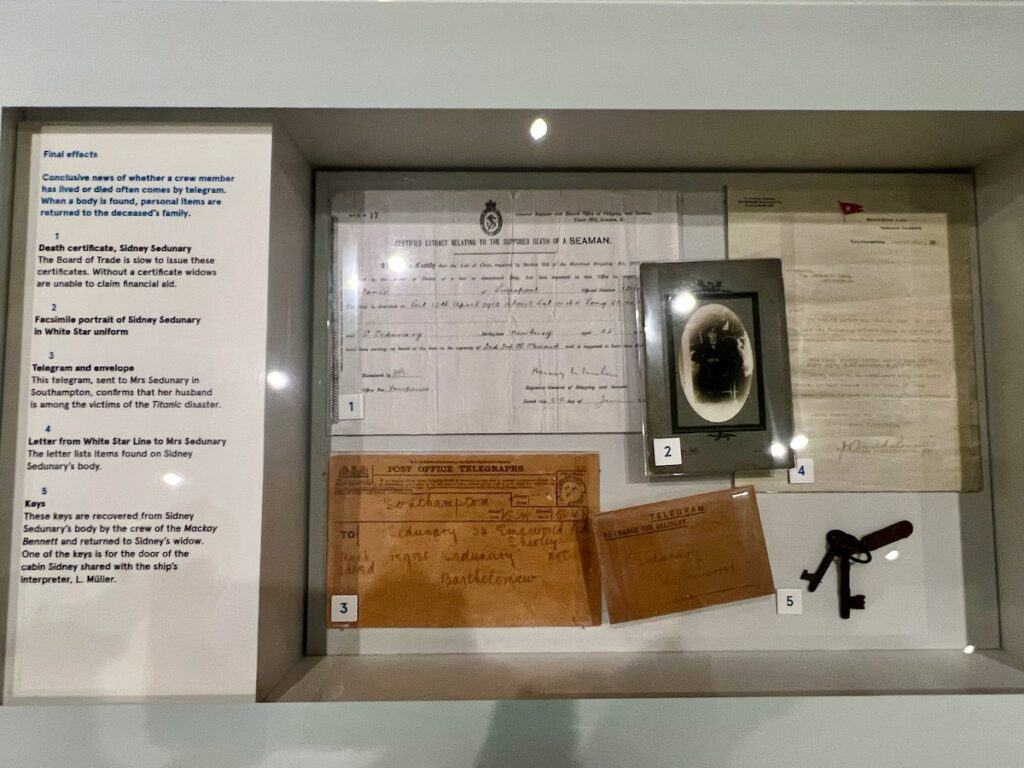
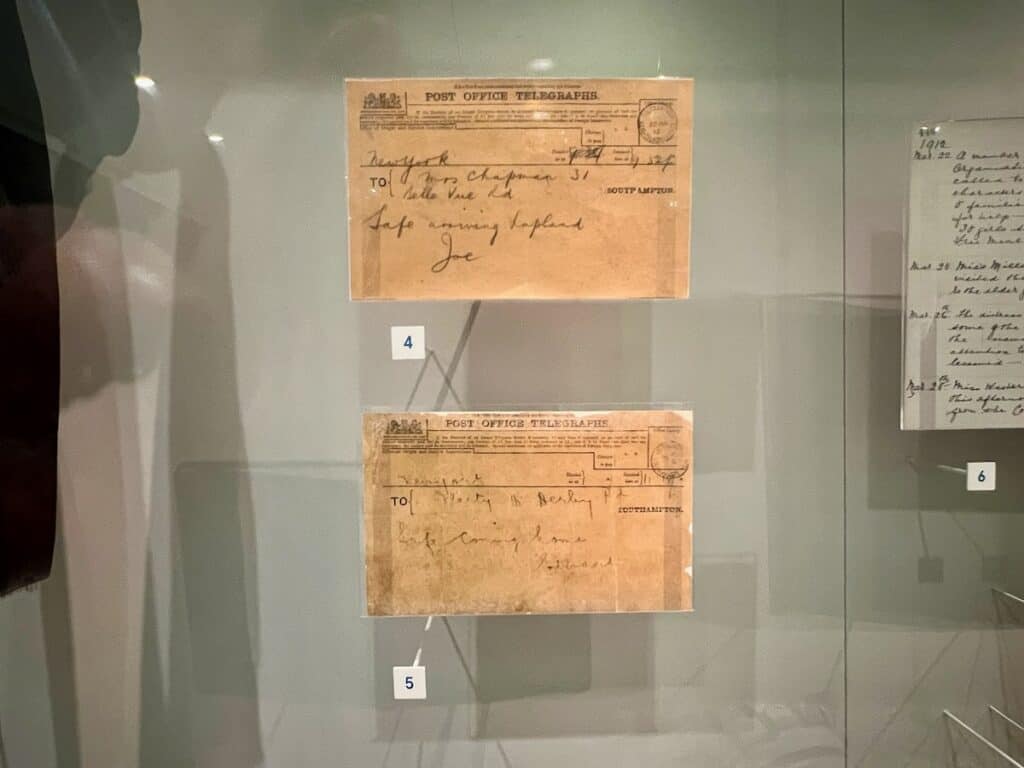
Telegrams with both positive and negative news are displayed in the collection.
On the left is a telegram to the family of Sidney Sedunary, confirming that their loved one was a victim of the Titanic disaster. Included with the telegram is Sidney’s death certificate, and keys that were recovered from his body by the crew of the Mackey Bennet.
On the right are telegrams to family members with news of survival. They read: “Safe arriving Lapland” and “safe coming home.” How much relief would you feel upon reading these?
8. Waiting and Wondering
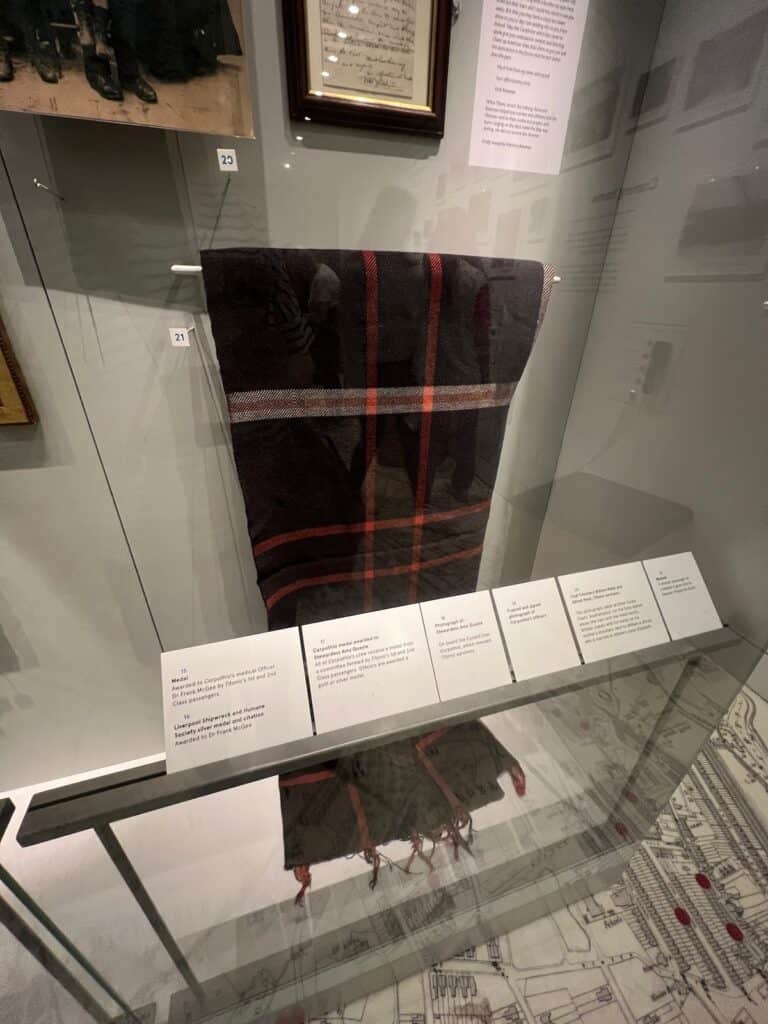
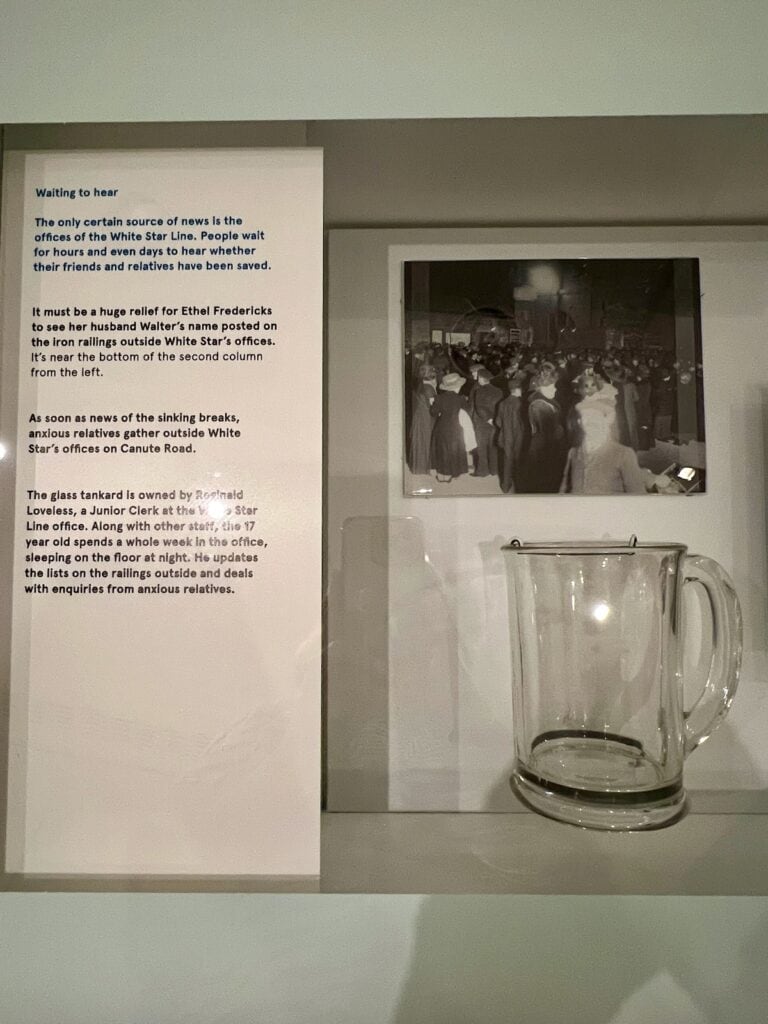
Some of the more touching elements were artifacts from the aftermath of the disaster.
On the left is an original blanket used by passengers in the lifeboats.
On the right is a glass tankard. Reginald Loveless was a clerk at the White Star Line office, and spent one week straight at his desk, napping underneath and drinking coffee and tea to stay awake manning the command center. You can imagine the tension and tragedy in the office at that time.
9. The Most Meaningful Bracelet Ever
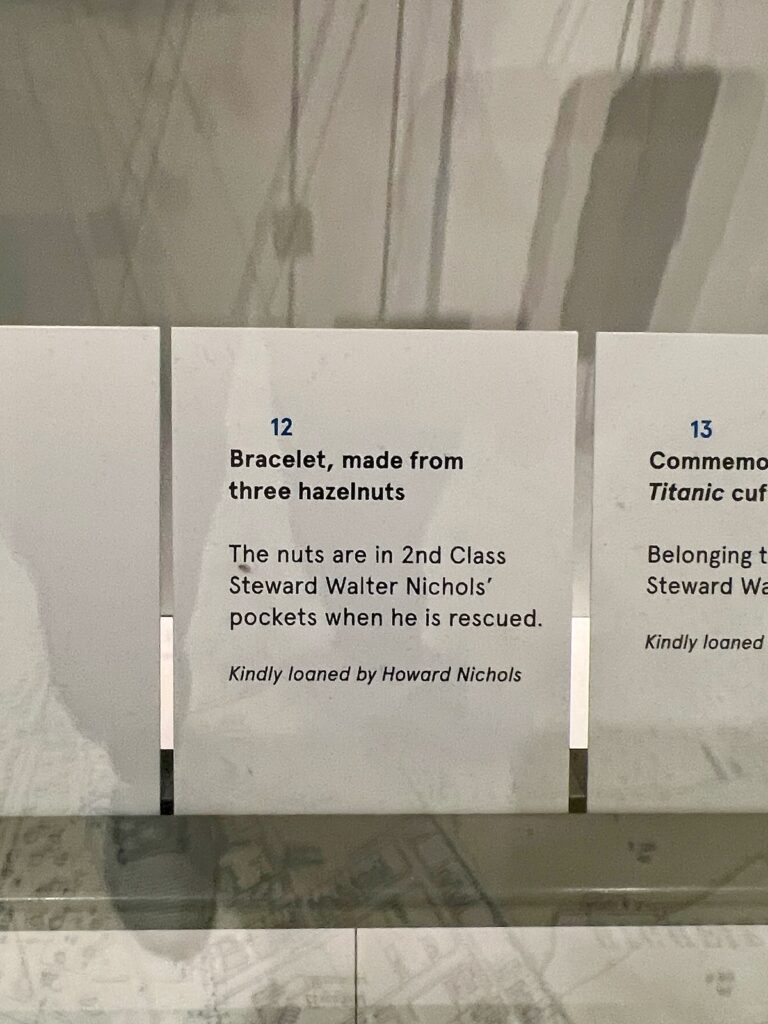
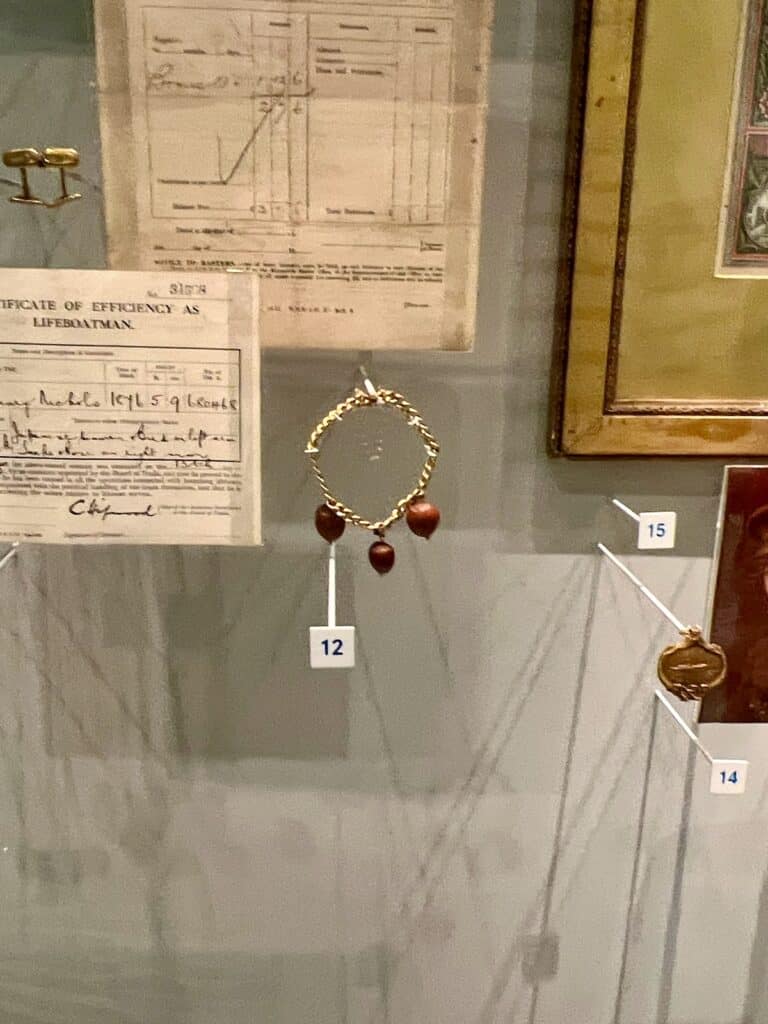
The single most touching artifact in this collection for me was this simple bracelet.
Steward Walter Nichols was rescued from the ocean with three hazelnuts in his pocket. He – or his family – had the nuts made into a bracelet which he wore for the rest of his life.
You can imagine what those simple snacks meant to him and his loved ones: luck, survival, and remembrance.
Visiting Seacity Museum: Final Tips
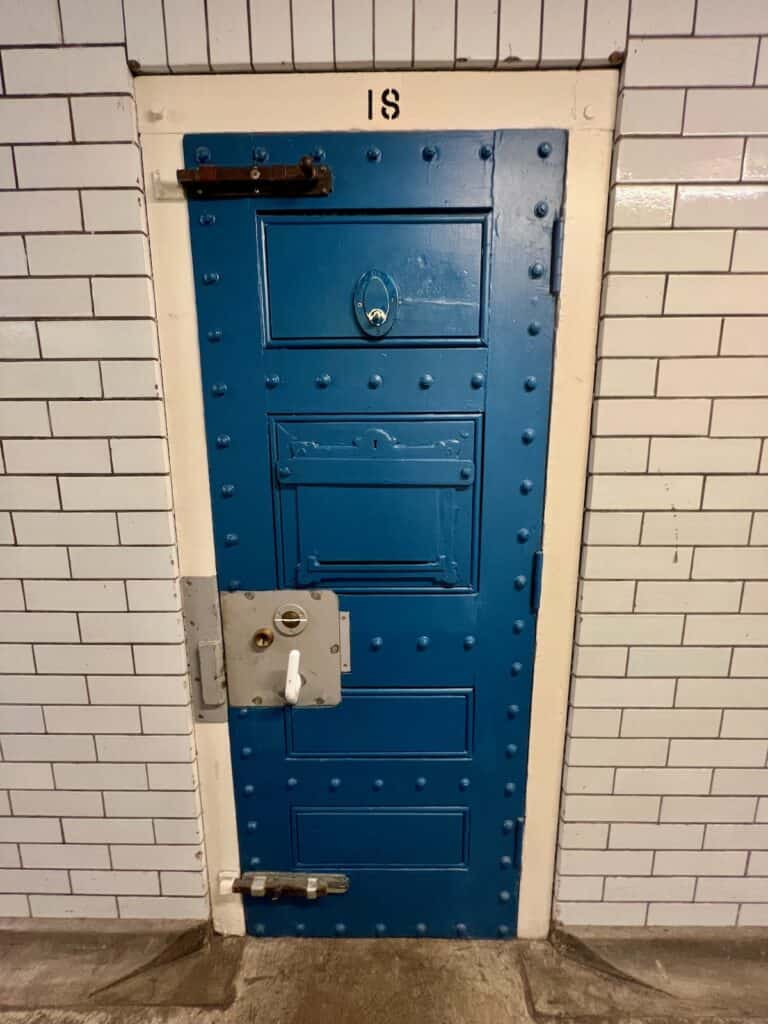
I have a few final tips for you if you’re going to visit the Southampton Titanic Museum.
The first is that the building itself used to be a court, with prison holding cells on the main floor. If you go to the toilets on the main floor, look for these cell doors, and there’s a little plaque and explanation of the history. It’s super interesting and much of the prison is still intact.
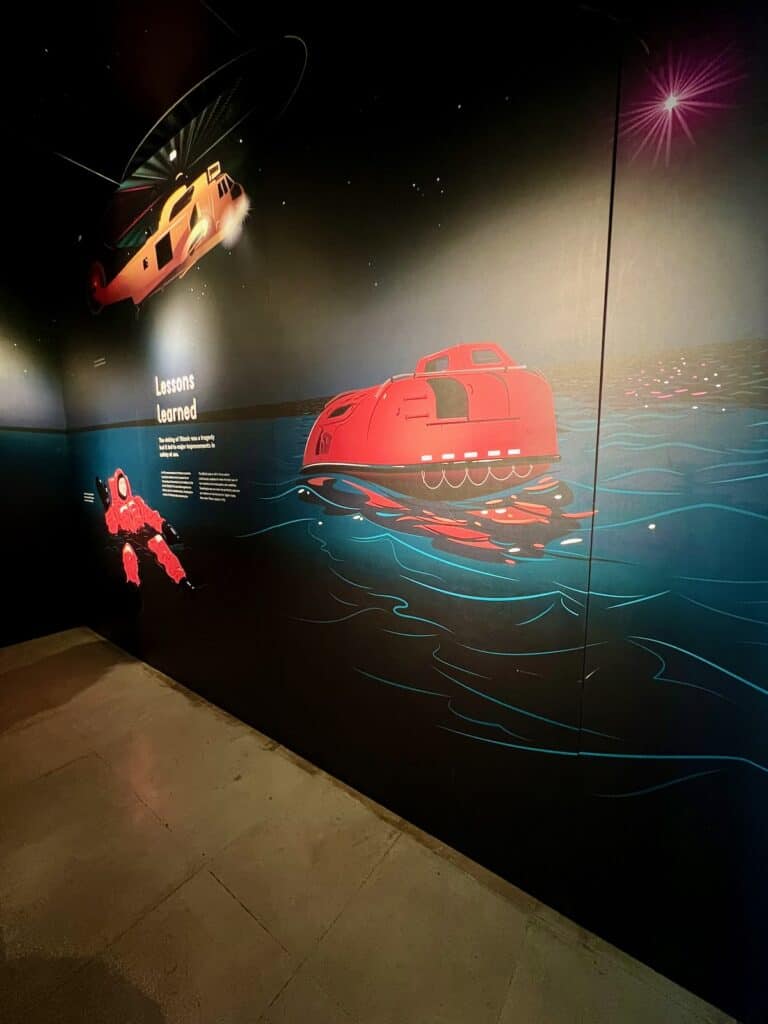
The second is not to miss this mural at the end of the Titanic exhibit.
It says: “Lessons learned: the sinking of Titanic was a tragedy but led to major improvements in safety at sea.” It has an illustration of a submersible.
I attended this exhibit right after the infamous Oceangate disaster, and this felt like a strange bit of premonition or karma. It’s a bit of irony you have to see to believe. I wonder if they’ll keep it up on the wall?
Visiting Southampton Titanic Museum: Is it Worth It?
Personally, I think it is well worth a day trip from London to visit the Titanic artifacts at the Seacity Museum. If you’re into Titanic, make a day of it and see both the museum and the dock from which Titanic departed. It’s like stepping directly into history.
I also loved hearing the stories of those from Southampton. It really brings home this tragedy that many citizens from the UK were lost and deeply affected by this tragedy.
Read More
11 of the Natural History Museum London Haunted Secrets
The Tragic Murder of Jill Dando: 3 Interesting Theories on the Killer
Titanic Artifacts: The 11 Best Places Around the World to See Sunken Treasures
3 Awesome London History Tours to Book in 2023
What’s the Oldest Pub in London? 13 Curious Contenders
Gross Jobs in the 1800s: 10 Dirty and Dangerous Victorian Jobs
Bricks to Burberry: The 7 Worst Areas in London that are Now Super Posh