
Victorian Women: 101 Secrets of their Hidden Lives
The Victorian era refers to the period in British when Queen Victoria reigned, who was on the throne from 1837 to 1901.
Since a woman was on the throne at this point in history, it’s no surprise that it was a time of huge change for all Victorian women – both good and bad.
As Britain continued building its empire, inside the lives and homes of Victorian era women, it was another story.
Women in the Victorian era began as stigmatized, overlooked and overshadowed. But at the end of this era, women began to let their collective powers be known, and the start of feminist movement in Britain began.
Let’s look at some interesting facts about Victorian women and their changing roles – the good, the bad, and the ugly.
Victorian Era Women: Marriage, Family Life & Harsh Expectations
A Victorian woman’s place was in the home. These are only a few of the aspects of marriage and family life she had to navigate.

- The role of women in the Victorian era was based on the “Cult of Domesticity”, which meant women’s rightful roles were only in the home. She was to be a pious, pure, and submissive homemaker, and nothing more.
- The average age of marriage for Victorian women was between 22 and 25, which is a bit older than in previous centuries. Aristocratic women tended to marry younger than working-class women.
- Courtship in the upper classes was elaborate, complicated, and confusing with indirect communication. Women often had to consult ‘flirting manuals’ to help interpret men’s gestures and signs during courtship.
- Before the Married Women’s Property Act of 1882, any money a woman earned or inherited automatically belonged to her husband.
- Marriage was a transaction. Dowries (a payment made from the bride’s family to the groom) played a huge role in Victorian marriages, and a woman’s dowry could determine her social standing and marriage prospects.
- Love was expected to develop after marriage. Marriages were often more about social and economic status.
- Widows could inherit property and wealth from their husbands, which made them more financially independent (and sometimes more desirable for remarriage, if she wanted to).
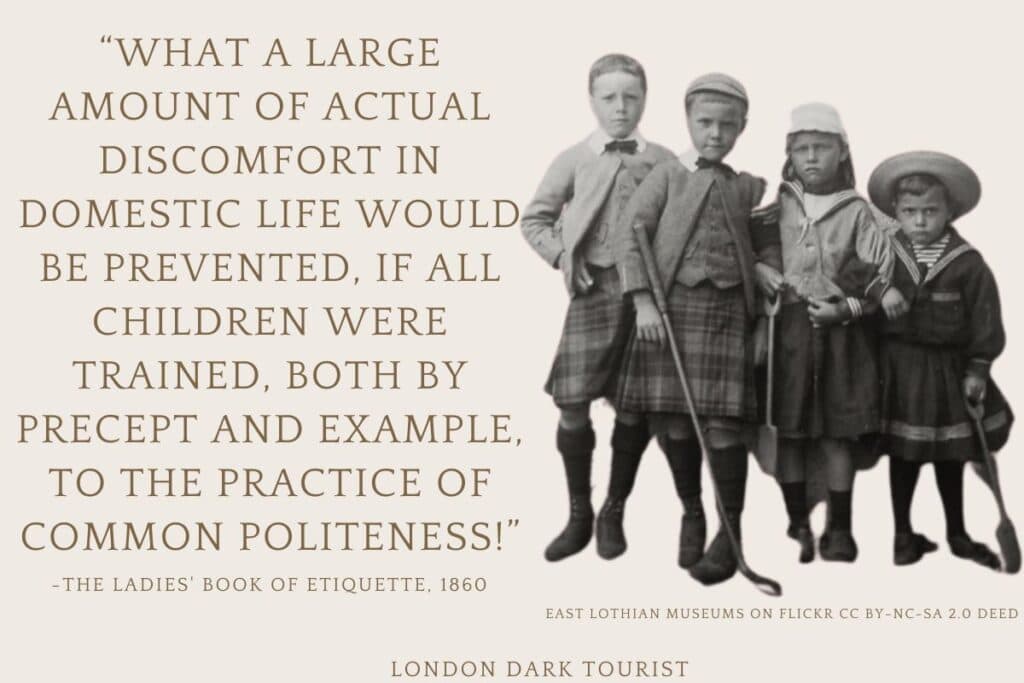
- Big families were seen as prosperous. It was common for Victorian families to be large (since birth control was limited), and many children were seen as a sign of prosperity (meaning you could keep your children alive; a feat in and of itself).
- About 1 in 5 babies died in childbirth.
- Women were less likely to die in childbirth in this era than in previous centuries, but that number was still over 31,000 maternal deaths in the 1850s alone.
- Divorces were nearly impossible to obtain, even in cases of abuse. The Matrimonial Causes Act of 1857 allowed men to divorce on grounds of adultery, but women had to provide evidence of cruelty, desertion, or bigamy.
- Unmarried women were rarely allowed to be alone with a man without a chaperone, as it was considered improper and could damage her reputation.
- Etiquette books were widely read by the Victorian middle and upper classes to learn the rules of social engagement, courtship, and marital conduct.
Fashion and Beauty of the Victorian Woman
Since women were mostly there for men, they had to make themselves more attractive. This often resulted in lots of discomfort, elaborate beauty rituals, and – in some cases – death.

- Wearing tightly laced corsets to accentuate the waist and could often lead to health problems due to the extreme constriction. Broken ribs were common, and circulation and breathing problems often arose. Sometimes, internal organ damage resulted from tight corsets.
- Introduced in the 1850s, crinolines were large, cage-like structures worn under skirts to create a voluminous look. They were made from steel hoops and could be quite hazardous, causing accidents. Today similar garments are made of tulle, but it’s probably good that Victorians didn’t wear such flammable skirts with fires and candles in every room…
- White wedding dresses only became popular after Queen Victoria wore one at her wedding in 1840, symbolizing purity and innocence.
- In the latter part of the Victorian era, bustles replaced crinolines. These were padded undergarments used to add fullness and shape to the back of a woman’s dress (to make her butt look bigger, essentially).
- A pale complexion was highly prized, seen as a sign of wealth and delicacy. Women often used lead-based products to achieve this look, unaware of the toxic effects.
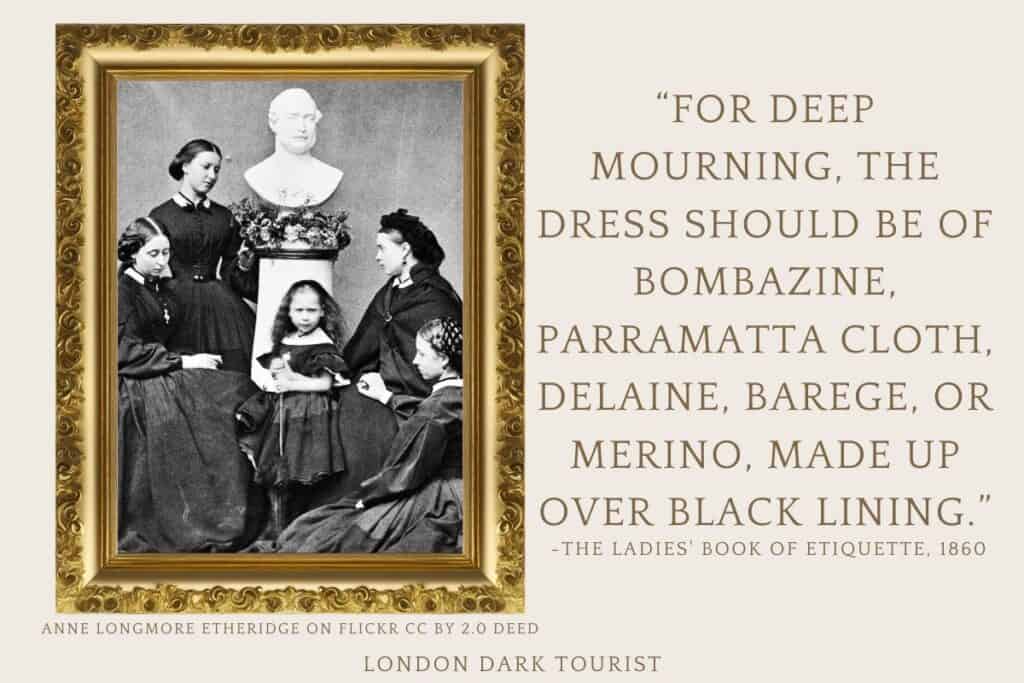
- Mourning etiquette was strict, with widows expected to wear black clothing and specific jewelry for a designated period of months to years. The dyes used in black mourning clothes often contained harmful substances, and the prolonged wearing of these heavy garments in all weathers could lead to various health problems.
- Small feet were seen as the ideal, and women often crammed their feet into too-small, tightly-laced boots to make their feet appear smaller. Constant wear led to foot deformities, bunions, and really painful foot conditions.
- The use of makeup was frowned upon and associated with actresses and women of ill repute. However, some women discreetly used products like zinc oxide for the face or belladonna drops to brighten the eyes.
- Many beauty products contained harmful substances. Face powders often had lead, which could cause skin damage, hair loss, and even chronic poisoning.
- Arsenic wafers were ingested by some Victorian women to achieve a pale complexion.
- The felt used in millinery (hat making) often involved mercury in the production process, leading to mercury poisoning among hat makers, known as “mad hatter disease.”
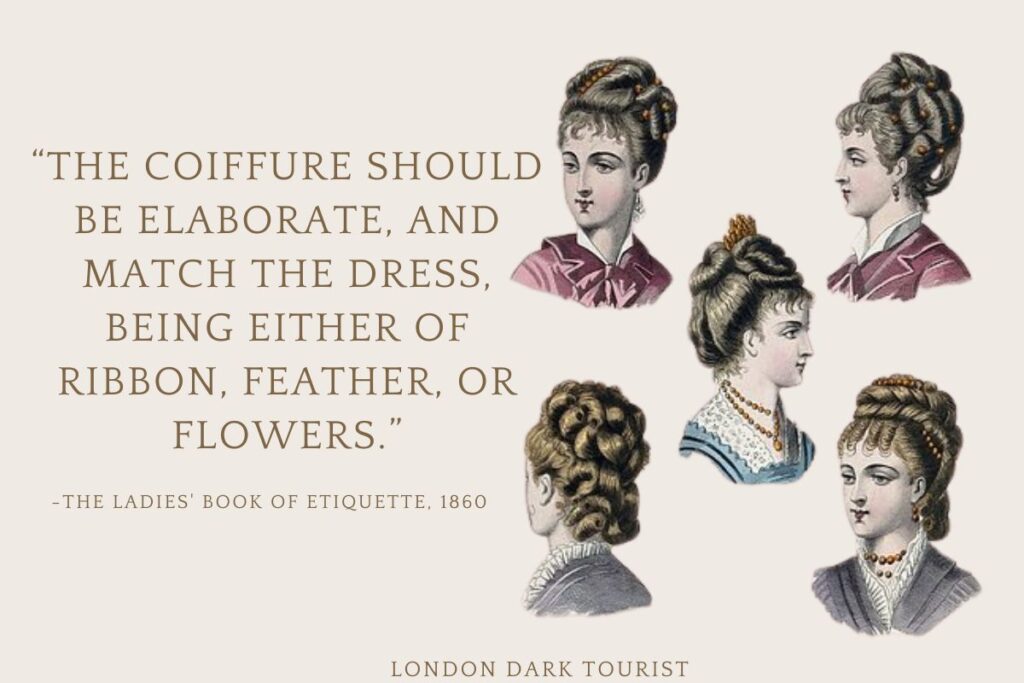
- Long hair represented wealth and beauty, but you couldn’t wear it down when out in public. Victorian women often styled their long hair in intricate updos. Using hairpieces and extensions to create these elaborate hairstyles was common.
- Hair dyes contained toxic ingredients like silver nitrate and lead.
- Belladonna, a toxic plant, was used in eye drops to dilate pupils for a dreamy appearance, risking vision problems and potential poisoning.
- The popular ‘Scheele’s Green’ and ‘Paris Green’ dyes used in fabrics and wallpapers contained arsenic, which could flake off and be inhaled or ingested, leading to arsenic poisoning.
Social Classes & the Victorian Lady

- The Victorian era was marked by a rigid class system. Society was divided into upper, middle, and lower classes, each with its own set of social rules and expectations.
- The upper class included aristocrats, nobles, and wealthy families. They often had titles, owned large estates, and their wealth was usually inherited.
- The Middle Class grew significantly during the Victorian era due to the industrial revolution. It included professionals like doctors, lawyers, and merchants. Middle-class values emphasized hard work, morality, and domestic propriety.
- The lower class comprised the working poor, including factory workers, laborers, and servants. They often lived in overcrowded and unsanitary conditions and had limited access to education.
- Marriage was a primary means for women to move between social classes. Marrying a man of a higher class could elevate a woman’s social status.

- Domestic servants were a significant part of the lower class. Large houses often had dozens of servants, each with specific roles, reflecting the wealth and status of the family.
- Access to education was a marker of class. The upper and middle classes had access to education, while the lower classes often did not, perpetuating class divisions.
- Fashion was a key indicator of social class. The upper classes wore fine fabrics and followed the latest trends, while the lower classes wore practical and durable clothes.
Medical Issues and Beliefs about Victorian Women
The misconceptions about women’s health during the Victorian era caused many women to get worse, not better.
Here’s some facts about Victorian women’s health that are quite alarming.

- Mental asylums became larger and more prevalent in Victorian society, and inside, women almost always outnumbered men by large percentages.
- Women could be sent to asylums for life for anything from asking for a divorce to being overly religious.
- “Hysteria” was a common ailment many women were diagnosed with. If a woman was “over-passionate,” nervous, had insomnia, fainted, or had seizures, she was often diagnosed as hysterical. Doctors believed that hysteria stemmed from maladies of a woman’s womb.
- In 1859 a physician claimed that over ¼ of women were “hysterical.”
- Epilepsy was mistaken as hysteria, leading to women with this medical condition to be sent away to asylums.
- “Treatment” for hysteria prescribed included more frequent sex for married women, “pelvic massage,” bed rest, hypnosis, hysterectomies, bland food, and use of primitive vibrators!
- The Contagious Diseases Acts, passed in the 1860s, allowed for the forced medical examination of any woman suspected of being a sex worker.

- Women were commonly prescribed laudanum, a powerful opiate, for a variety of ailments, leading to widespread addiction.
- Postpartum depression was poorly understood, often attributed to women’s supposed inherent weakness. Affected women received little to no psychological support, and were sometimes sent to asylums.
- Menstruation was often seen as an illness. Women were advised to rest and avoid exertion, reinforcing the idea that women were physically weaker than men.
- Anemia (then called Chlorosis or “Green Sickness”) was common among young women. The treatments often included iron supplements, but also bloodletting (by cutting and leeches) and purging.
- Misinformation about breastfeeding led to many women using unsafe alternatives, contributing to high infant mortality rates.
- Mental health issues were sometimes attributed to the shape of one’s skull, based on the pseudoscience of phrenology, leading to misguided treatments.
Employment and Education for Victorian Era Women
Delve into the types of jobs Victorian women held, their educational opportunities, and the societal attitudes towards working women.

- Girls’ education often solely focused on making them attractive marriage prospects, teaching them arts, music, needlework, and social graces rather than academic subjects.
- Many working-class women worked in factories or as domestic servants. Their work was often poorly paid and involved long hours in difficult conditions.
- The late Victorian era saw the establishment of women’s colleges, like Girton College, Cambridge (founded in 1869), providing higher education opportunities for women.
- The efforts of Florence Nightingale in the 19th century transformed nursing into a respectable profession for women, changing the perception of nursing from low-status work to a noble profession.

- Poor and destitute women often ended up in workhouses, where conditions were harsh and degrading. Children were taken away to live in separate areas and often died, leading to the phenomenon of the “workhouse howl.”
- Sex work was seen as the lowest of the low, but for many was the only option to keep themselves out of the workhouse. Sex workers were constantly subjected to male violence, disease, and even murder.
- Many working-class women who worked in factories faced exploitation, including long hours, low wages, and unsafe (and even poisonous) working conditions, often in industries like textiles or coal mines.
- Young girls (and boys) from poor families were often employed in harsh conditions in factories or as chimney sweeps. Children were often exploited for their small bodies that could fit into chimneys and sewers.
- Sexual harassment, abuse, dangerous conditions, and pay disparities in the workplace were the norm. Victorian women workers had virtually no legal protections or rights in the workplace at this time.
- Most universities did not admit women until the late Victorian era. Even then, they often could not even earn degrees and their education was seen as a “diversion” on the way to marriage.
- Just the fact that a woman had a job could be seen as “low class” and could affect everything from a woman’s friendships to her marriage prospects.
Social Life and Leisure for the Victorian Lady
Discuss how Victorian women spent their leisure time, including popular activities, social events, and restrictions they faced.

- Social dances were crucial for young Victorian men and women to meet. The type of dance and physical closeness allowed varied greatly according to social etiquette.
- Victorian mourning customs were elaborate. Widows were expected to mourn for two years, wearing specific clothing like black veils, and abstaining from social events.
- Dinner table etiquette was very intricate. There were specific rules for using cutlery, napkins, and glasses, and even a code of conduct for conversation.
- The Victorian era saw a fascination with spiritualism. Séances, where people attempted to communicate with the dead, were popular social events.

- When visiting, Victorians would leave a calling card. These had specific codes – for instance, folding a corner could indicate the reason for the visit.
- Some women engaged in tight-lacing parties, where they would compete to see who could wear the tightest corset.
- It was not uncommon for people to have picnics in cemeteries, which were seen as peaceful public spaces akin to parks.
- The concept of the honeymoon became popular during the Victorian era, though it was initially a trip taken by the newlywed couple to visit relatives who couldn’t attend the wedding.
- Victorians used flowers to convey messages without words. Different flowers and their arrangements had specific meanings.
- Victorians must have been super bored: tea dueling was a peculiar social activity. Two participants would dunk a biscuit into tea and see whose biscuit lasted the longest before breaking.
- Victorians sometimes held beetle races for entertainment, where they would race insects on a table.
- Victorian society had a fascination with the unusual and the grotesque, often in the form of freak shows, which were a popular but controversial form of entertainment.
- Victorians often kept autograph albums where friends and visitors could write verses, draw pictures, or leave signatures. It was a popular way to remember acquaintances and social gatherings.
- Phrenology, the study of skull shapes to determine character traits, was popular. People hosted phrenology parties where guests’ heads would be examined for fun.
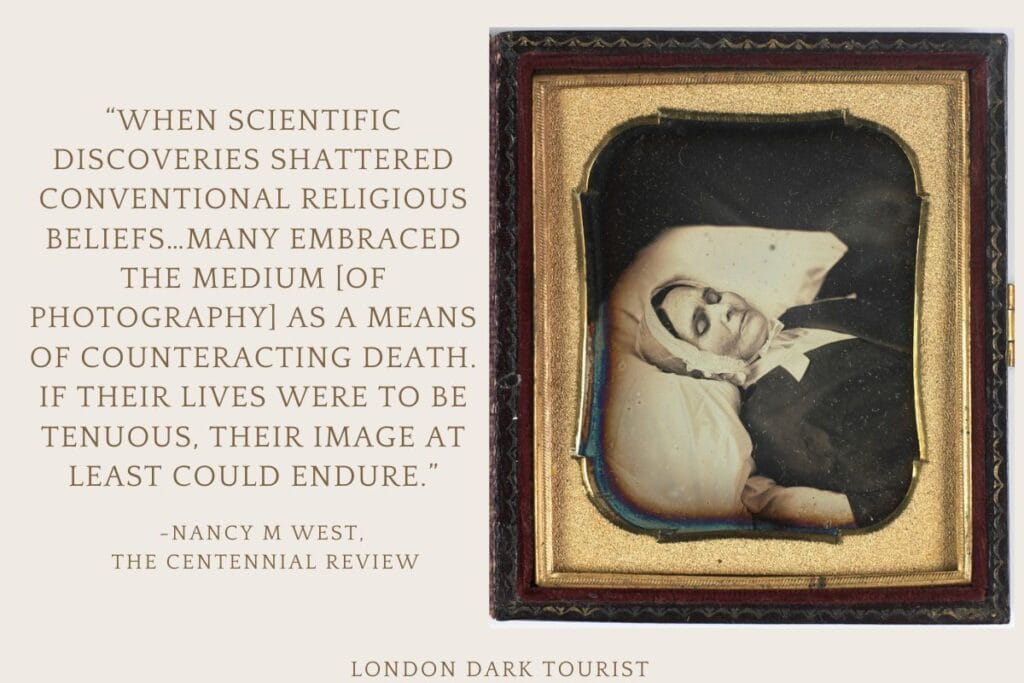
- Due to high mortality rates and the expense of photography, it was common to take photographs of deceased loved ones, often posed to look alive.
- Victorian leisure included an interest in taxidermy – the stuffing and mounting of animals. It was common in homes and educational settings.
- Parlour games, like “Blind Man’s Buff,” where a blindfolded player tries to tag others, were a popular form of entertainment during social gatherings.
- Creating silhouettes, often cut from black paper and mounted on a white background, was a popular and affordable form of portraiture.
- Before the advent of cinema, magic lantern shows, using glass slides projected onto walls, were a popular form of entertainment, often depicting far-off lands or moral tales.
- Penny Dreadfuls were cheap, sensational novels, often focusing on lurid or criminal subjects. They were hugely popular, despite being considered “lowbrow” literature.
- Victorians were fond of “water cures” or hydrotherapy. Visiting spa towns and taking part in water-based treatments was considered beneficial for various ailments and a social activity.
Rights and Social Reforms: How Victorian Women Rose Up
Progress towards women’s rights in the Victorian Era was slow. There was significant opposition to the mere idea of “women’s rights”, with many believing that women’s roles should be confined to the domestic sphere.
The women leading these movements faced huge backlash, harsh treatment, and even imprisonment. But they kept pushing.
Here’s some of the discrimination they endured, and the progress they made.

- The matchstick girls strike of 1888 was the beginning of a tide of change in women’s working conditions.
- Before the Married Women’s Property Act of 1882, women had very limited rights to own property. Any property or earnings owned by a woman became her husband’s upon marriage.
- The women’s suffrage movement gained momentum during the late Victorian era, with groups like the Suffragettes advocating for women’s right to vote, often facing imprisonment and force-feeding during hunger strikes.
- The late Victorian period saw efforts to reform women’s education, with pioneers like Emily Davies advocating for women’s access to higher education, leading to the founding of colleges like Girton at Cambridge.
- Initially, Victorian laws granted fathers absolute custody rights over their children. The Custody of Infants Act 1839 began to change this, allowing mothers to petition for custody of young children.

- Another side of female advocacy was misguided: the Social Purity Movement aimed to combat “vice and immorality.” This group of upper-class women were highly religious and advocated for criminal punishment for sex workers.
- The Dress Reform Movement activists campaigned against restrictive and unhealthy Victorian fashions, advocating for more practical clothing, which was seen as a step towards greater freedom and equality.
Notable Victorian Women
These prominent Victorian women made significant contributions to various fields and were notable figures of their time.
They changed the lives of women in their time, and their work still echoes in our society today.

- Mary Seacole (1805-1881): A British-Jamaican nurse and businesswoman, Seacole was known for her bravery and medical skills during the Crimean War. She set up the “British Hotel” near the battlefront to provide care for sick and wounded soldiers. Despite facing racial and gender prejudice, she dedicated her life to helping people.
- Pandita Ramabai (1858-1922): An Indian social reformer and educator, Ramabai was an advocate for the education and emancipation of women in India. She founded the Arya Mahila Samaj (Arya Women’s Society) and later the Mukti Mission, which helped many marginalized women and children.
- Sarah Forbes Bonetta (1843-1880): Bonetta was a West African Egbado princess of the Yoruba people. She was orphaned and enslaved by a rival tribe, then later rescued and taken to England. She was “presented” to Queen Victoria, who became her godmother. Sarah Bonetta Forbes received an education in Britain and was known for her intelligence, artistic talents, and remarkable and unusual life story.
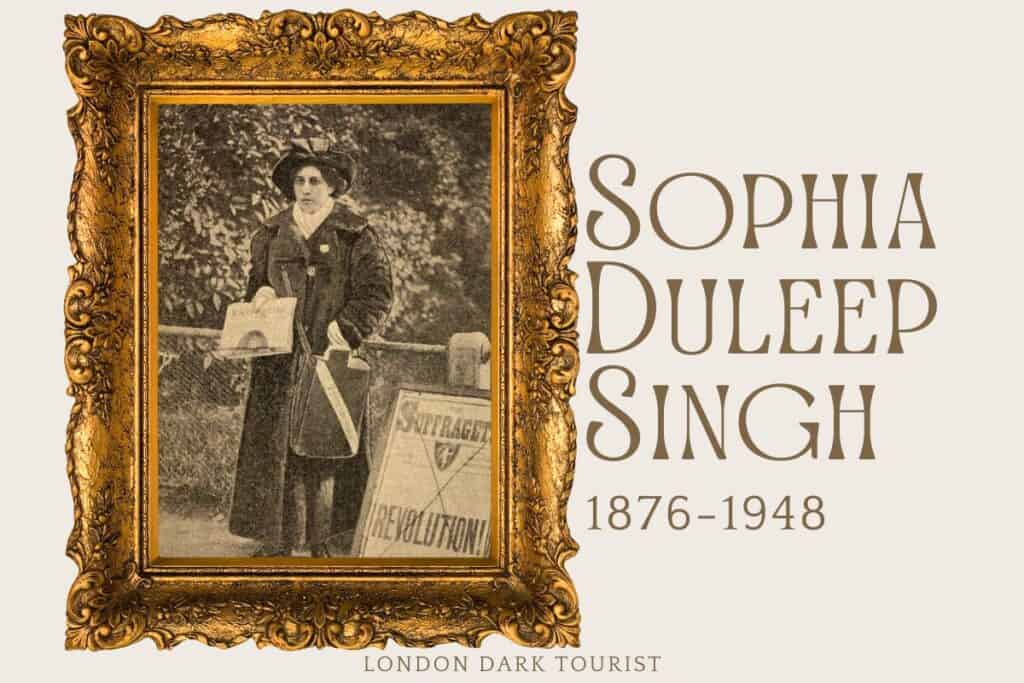
- Sophia Duleep Singh (1876-1948): A prominent suffragette in the United Kingdom, Sophia was the daughter of Maharaja Duleep Singh, the last Maharaja of the Sikh Empire. She was a key figure in the Suffragette movement and fought for women’s right to vote.
- Florence Nightingale (1820-1910): Known as the founder of modern nursing, Nightingale came to prominence while serving as a manager and trainer of nurses during the Crimean War. She organized care for wounded soldiers and established the first scientifically based nursing school, the Nightingale School of Nursing.
- Elizabeth Barrett Browning (1806-1861): One of the most prominent English poets of the Victorian era, Browning’s poetry was widely popular in Britain and the United States during her lifetime. Her works, such as “Sonnets from the Portuguese,” addressed social issues and the oppression of women.

- Josephine Butler (1828-1906): Butler was a feminist and social reformer in the Victorian era. She was especially known for her work on behalf of women’s education and the repeal of the Contagious Diseases Acts, which unfairly targeted female sex workers.
- George Eliot (Mary Ann Evans) (1819-1880): Under the pen name George Eliot, Mary Ann Evans became one of the leading writers of the Victorian era. Her novels, including “Middlemarch” and “Silas Marner,” are celebrated for their realism and psychological insight.
- Ada Lovelace (1815-1852): An English mathematician and writer, Lovelace is best known for her work on the Analytical Engine – an early computer system. She is sometimes considered the world’s first computer programmer.

- Emmeline Pankhurst (1858-1928): A British political activist, Pankhurst is best remembered for organizing the UK suffragette movement and helping women win the right to vote.
- Elizabeth Gaskell (1810-1865): Gaskell was a novelist and short story writer during the Victorian era. Her novels offered detailed portraits of the lives of many strata of society, including the very poor, and she is one of the few writers to have written about the industrial proletariat.
- Beatrix Potter (1866-1943): Best known for her children’s books featuring animals, such as “The Tale of Peter Rabbit,” Potter was also a natural scientist and conservationist.
- Octavia Hill (1838-1912): Hill was a social reformer who focused on housing for the poor and is regarded as a founder of modern social work. She was also a key figure in the creation of the National Trust, focusing on the preservation of natural and historic landscapes.
Sources & Where to Learn More
More on London’s Dark History
Delia Balmer’s Story: Her Miraculous Survival of John Sweeney
Female Gangsters: How the Powerful 40 Elephants Gang Robbed London Blind
Gross Jobs in the 1800s: 10 Dirty and Dangerous Victorian Jobs
The Muffin Man Murders: Death on Drury Lane?
The Workhouse Howl & 13 Other Devastating Facts on Life in the Workhouse
What’s the Oldest Pub in London? 13 Curious Contenders
Bricks to Burberry: The 7 Worst Areas in London that are Now Super Posh
10 Ghastly Royal Deaths and What Happened to Their Corpses
London Charterhouse Square: Are There 50,000 Bodies Buried in this Lovely Garden?
Temple Bar London: Why did this London City Gate Sport Rotting Heads on Top?
Delia Balmer’s Story: Her Miraculous Survival of John Sweeney


